

Our babies seem to grow up in no time. One day they are a small, cuddly toddler who relies on us for everything, and then suddenly they transform into a big child who can navigate the world on their own. Watching our children develop is amazing and bittersweet, watching them grow and change. Many parents want to closely observe or monitor their child’s social-emotional development to make sure they are on the right track.
Some important milestones are easy to observe, such as watching your child learn to turn around and then build on that skill until they crawl and finally go. Other areas of development are a little more hidden, as it involves the transformation of their invisible inner world – how their thoughts, emotions and social skills change and change over time. With this in mind, let’s take a closer look at children’s social-emotional development.
What is social-emotional development?
As mentioned earlier, there are different areas of child development, including social-emotional development. It is a gradual process that begins from birth and is a lifelong journey. It covers two different areas: One relates to how our children develop an understanding of their emotions (emotional development), including how they express and manage them. The second aspect concerns the way in which they form meaningful relationships with the people in their world (social development).1
Social-emotional skills typically cover five core areas:2
- self-consciousness: This includes recognizing your emotions and the connection between your thoughts, feelings and behavior (action/reaction).
- Self-regulation (or self-management): Use information about emotions to self-regulate.
- Responsible decision making: This refers to the ability to make good decisions when it comes to your behavior and interactions with others.
- Social consciousness: This includes an element of empathy or being able to understand the perspectives of others (their needs, desires, emotions, etc.).
- Relationship skills: This means having the right skills to build and maintain healthy relationships.
Why is social-emotional development important?
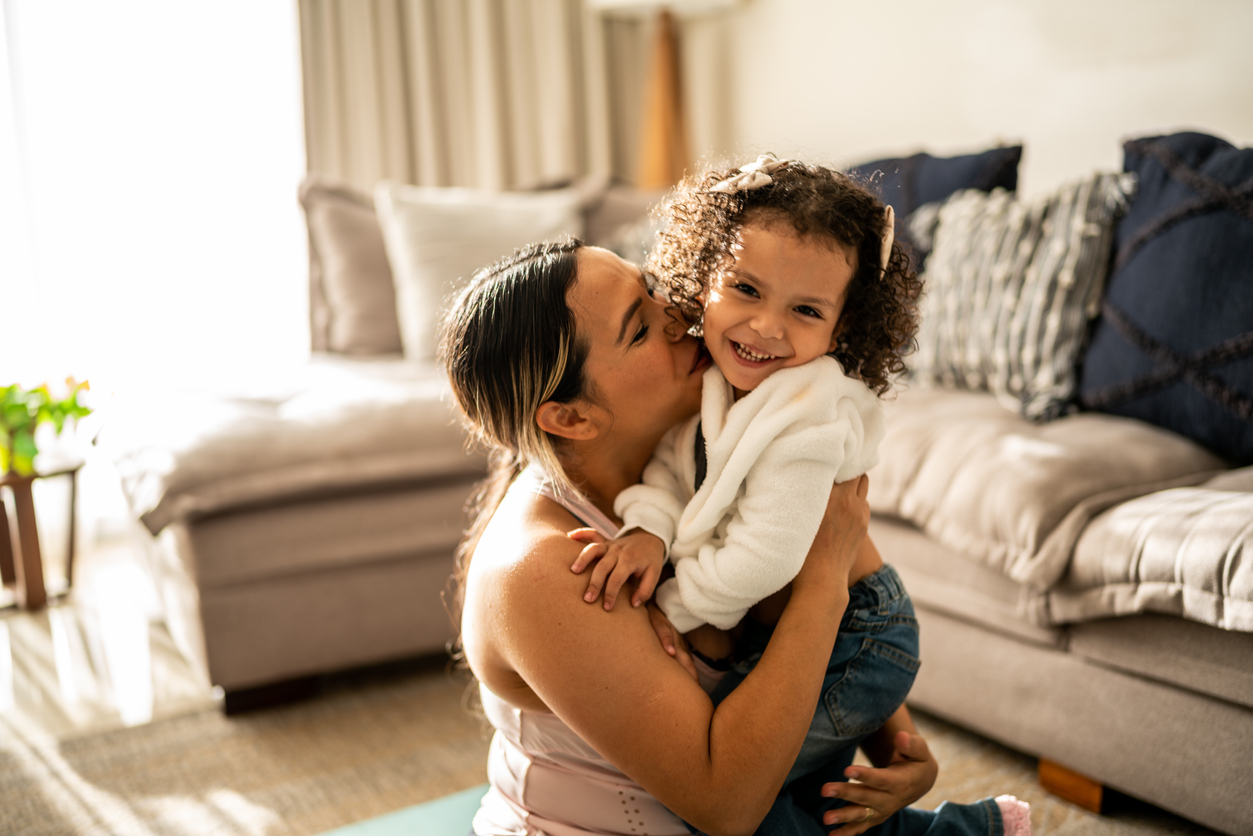
Now that we know more about social and emotional development, it is important to understand why it is such a key element of development. Social-emotional skills help children better understand themselves and others around them. When they have this knowledge, they can use it to manage their emotions, meet their needs, and set and achieve goals.3.4 This, in turn, can help children persevere when faced with challenges or seek support and help in healthy and adaptive ways. Their social and emotional development in early life has a direct impact on them later in life emotionally, socially, academically and professionally.3
The direct benefits of highly developed social-emotional skills include:3.4
- Higher educational success
- Career success (higher likelihood of employment)
- There is a lower likelihood of becoming involved in crime or using substances
- Be more resilient and better able to overcome challenges
- Experience better and more positive relationships with others
- Cope with stress
- Have higher empathy
- Be able to make more informed decisions
- Have it better Self-control and self-regulation skills
How family can help with social-emotional development
Although we are naturally social creatures and need relationships to feel safe and secure, we still need to actively learn social-emotional skills.3 Social skills are taught through interactions, relationships, and repetition (over time and practice). That’s why families need to support their child’s social-emotional development. Helpful strategies include:
Use correct language
Talk about emotions, name them when you see your child expressing them. name your feelings, and give them different words. . . it’s all about the exposure. The more words your child has or is exposed to different concepts, the more likely they are to be able to match their experience to an emotion word (e.g., “I feel frustrated” or “I feel anger”). The closer the match, the easier it is to seek help or support and deal with the feeling appropriately.5
Accept feelings
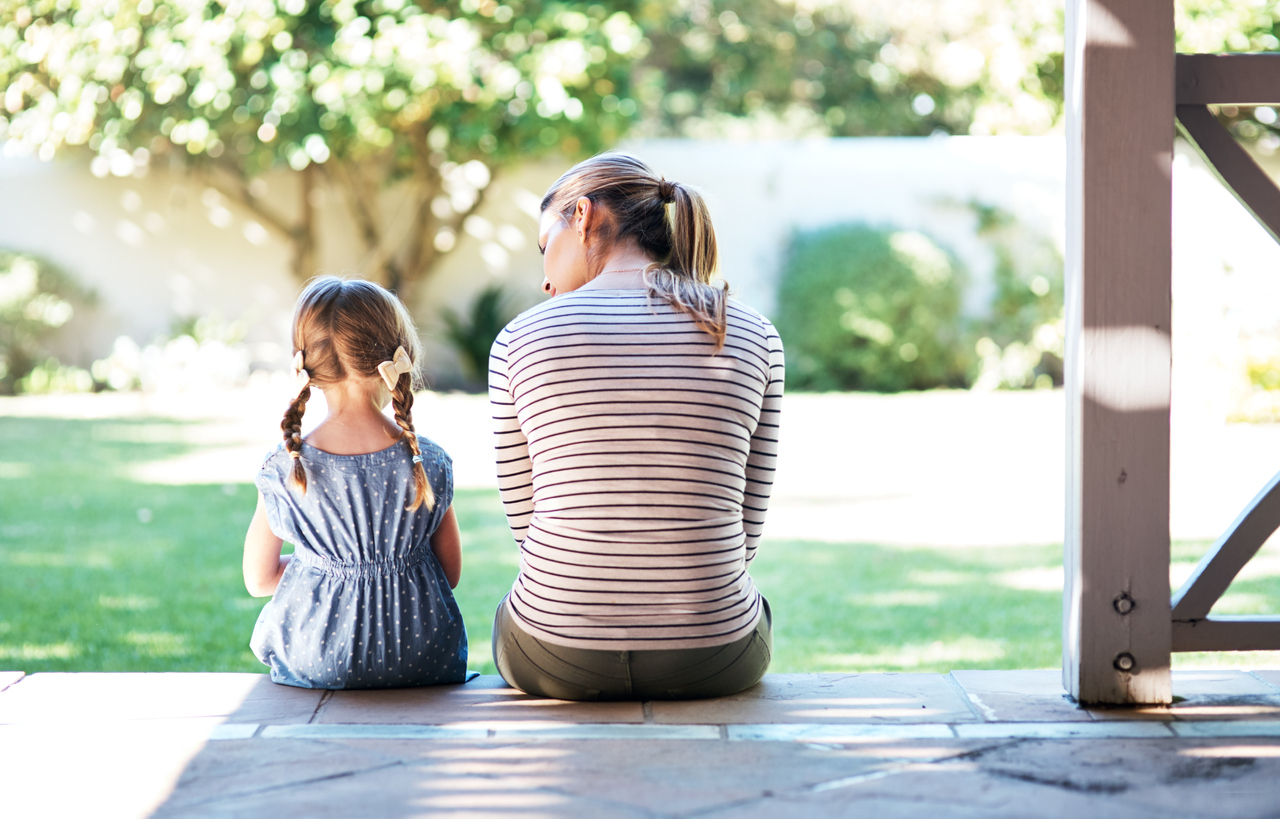
It shows acceptance when you feel comfortable talking about and exploring your child’s feelings. This means that your child will likely feel more comfortable sharing their feelings with you and will not be afraid of or avoid their feelings (which can cause problems later).
Model the skills
Show them your social-emotional development skills by sharing your emotions. Even if we don’t want to make our children feel responsible for our feelings, we need to name our emotions and let them know how we deal with them. It is also important that we demonstrate how we understand the problem at hand and how we address it problem solved, satisfying our needs, regulating or managing emotion, etc. Our children are little sponges; We have to “walk the walk” and show them how it’s done.5
Teach them how to deal with feelings
This includes naming them and finding appropriate ways to deal with the emotions they are experiencing.5 For example, if they are angry, you can teach them to redirect their energy and express something Playdough instead of breaking their toys? Or, when they’re sad, can they ask for a cuddle or read a book that makes them feel good instead of withdrawing?
Read about situations
Speaking of books, have your child read a variety of books whose plots focus on social-emotional situations. Reading is a great, stress-free way to familiarize children with different situations. They can confidently consider others’ perspectives and build a knowledge base of different scenarios that they can apply to their own lives/circumstances.6
Practice makes perfect! Children need the opportunity to recognize social-emotional skills and have the opportunity to practice and develop them. Although these skills may be invisible and you cannot observe or measure their progress in the same way that you can measure height or see that first wobbly step, they are just as important, if not more important, to our children’s long-term health development and well-being.


Leave a Comment